34°c, Sunny

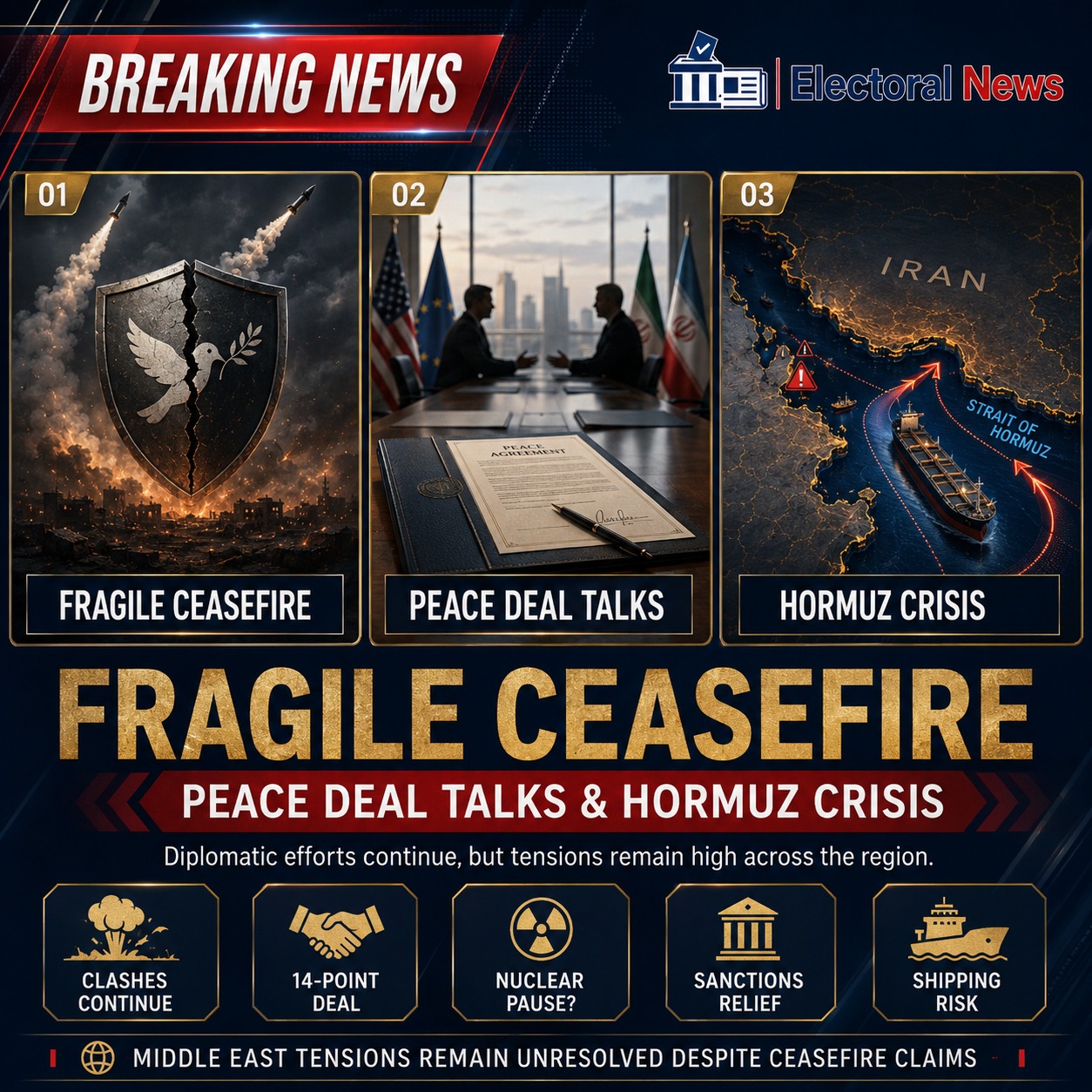
The U.S. and Iran are reportedly moving closer to a 14-point peace framework, but clashes around the Strait of Hormuz show that the ceasefire remains fragile.
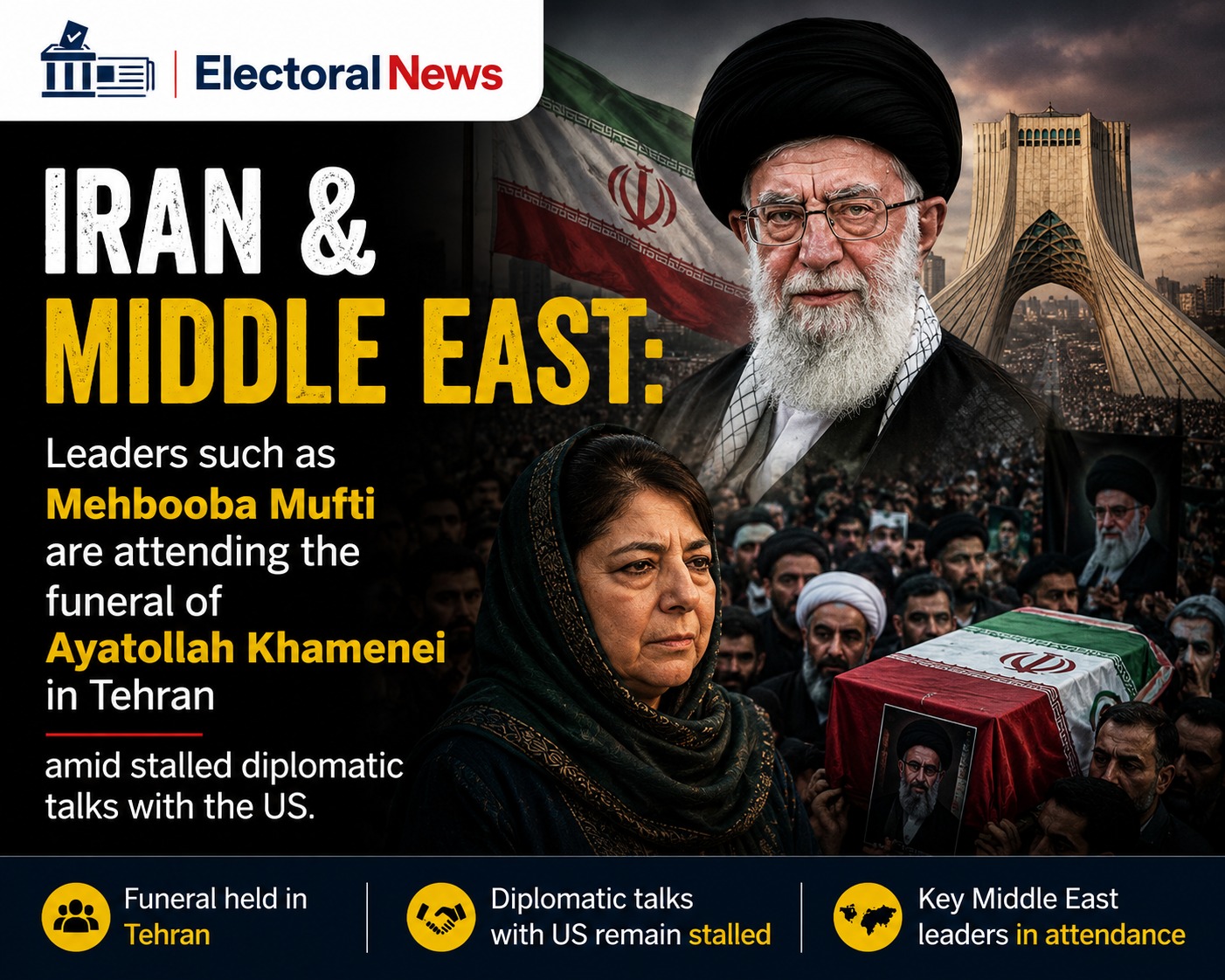
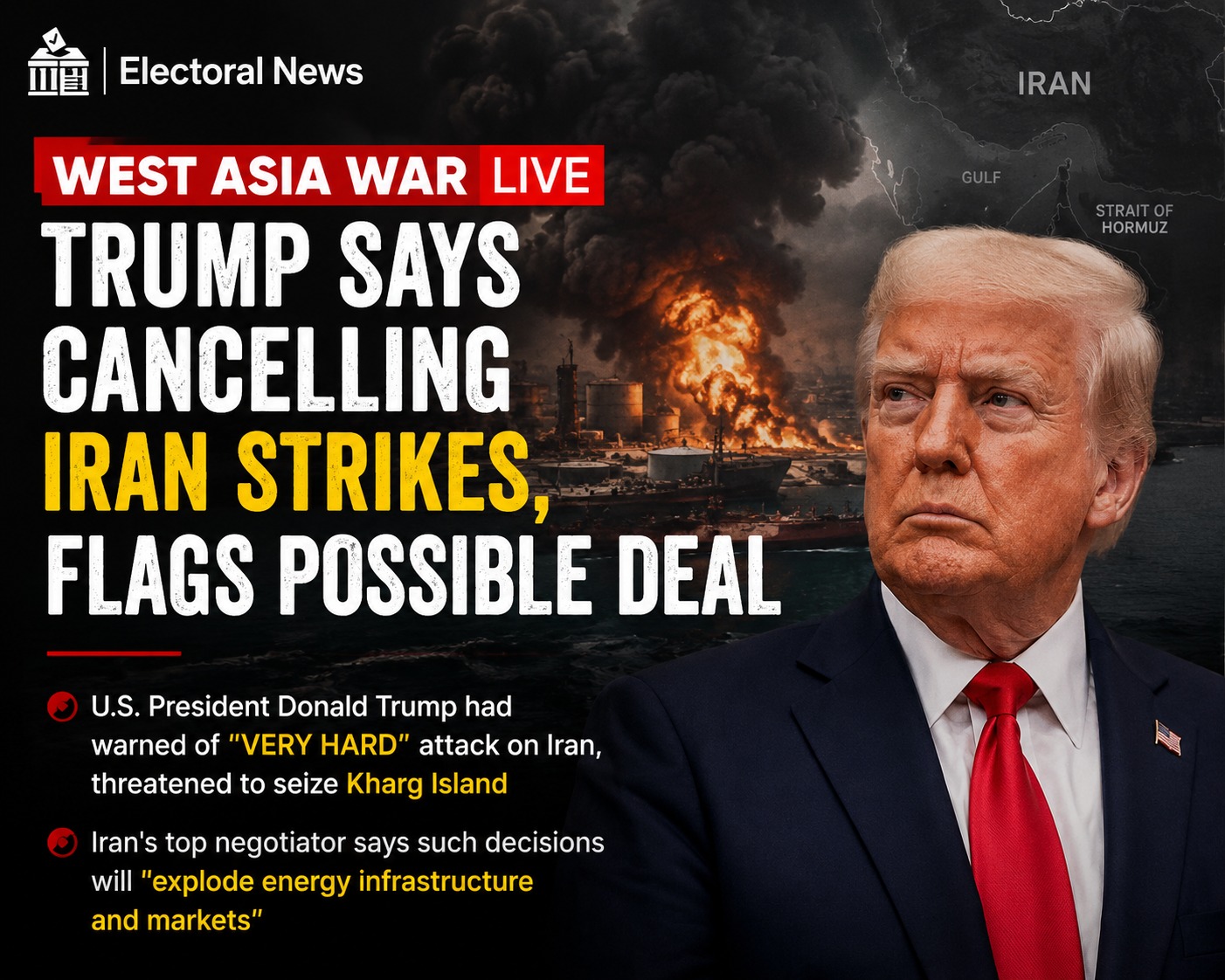
The latest phase of the Iran war is marked by a fragile ceasefire, diplomatic negotiations and continued tension around the Strait of Hormuz. U.S. officials say the ceasefire remains in place, but recent clashes in the Gulf show that the situation is far from stable. Reuters reported that U.S. Defense Secretary Pete Hegseth said the ceasefire was still active despite fresh confrontations over control of the Strait of Hormuz.Diplomatic efforts are now focused on a possible peace framework. Reuters reported that the U.S. and Iran are nearing a one-page, 14-point memorandum intended to end the war and begin wider nuclear negotiations. The reported framework includes steps related to Iran’s nuclear program, sanctions relief, frozen assets and reopening the Strait of Hormuz.
However, this is not yet real peace. It is better described as a temporary diplomatic pause. The U.S. has reportedly paused some operations to allow talks to progress, while Iran has signaled that it will only accept a fair agreement.
The Strait of Hormuz remains the most sensitive flashpoint. Any disruption there directly affects global oil supply, energy prices and shipping routes. Even limited fighting in this area can create global economic consequences.
The peace deal, if successful, could reduce oil pressure, reopen shipping movement and calm markets. But if talks fail, the conflict could return with greater intensity. For now, the world is watching whether diplomacy can turn a fragile ceasefire into a real settlement.