34°c, Sunny

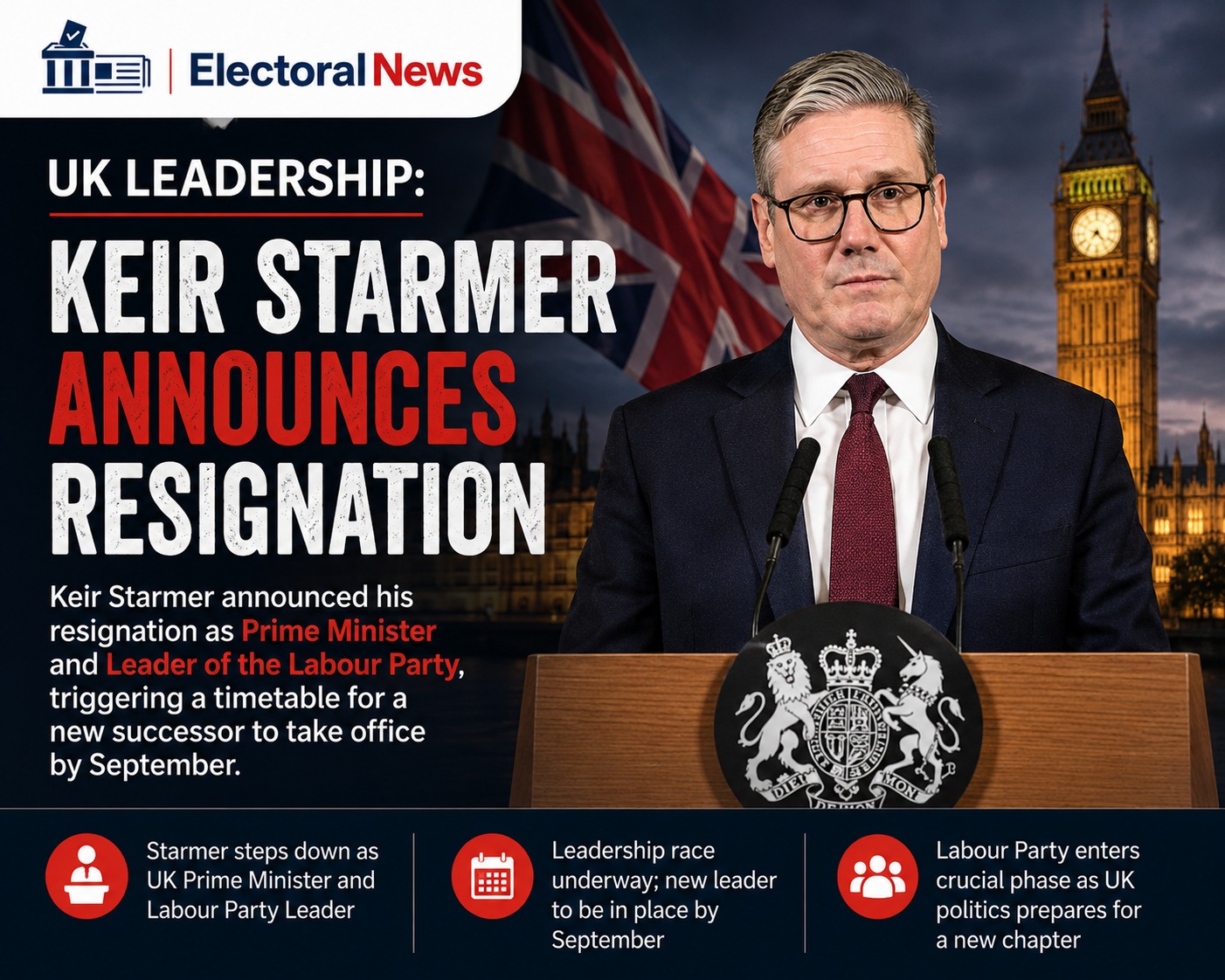
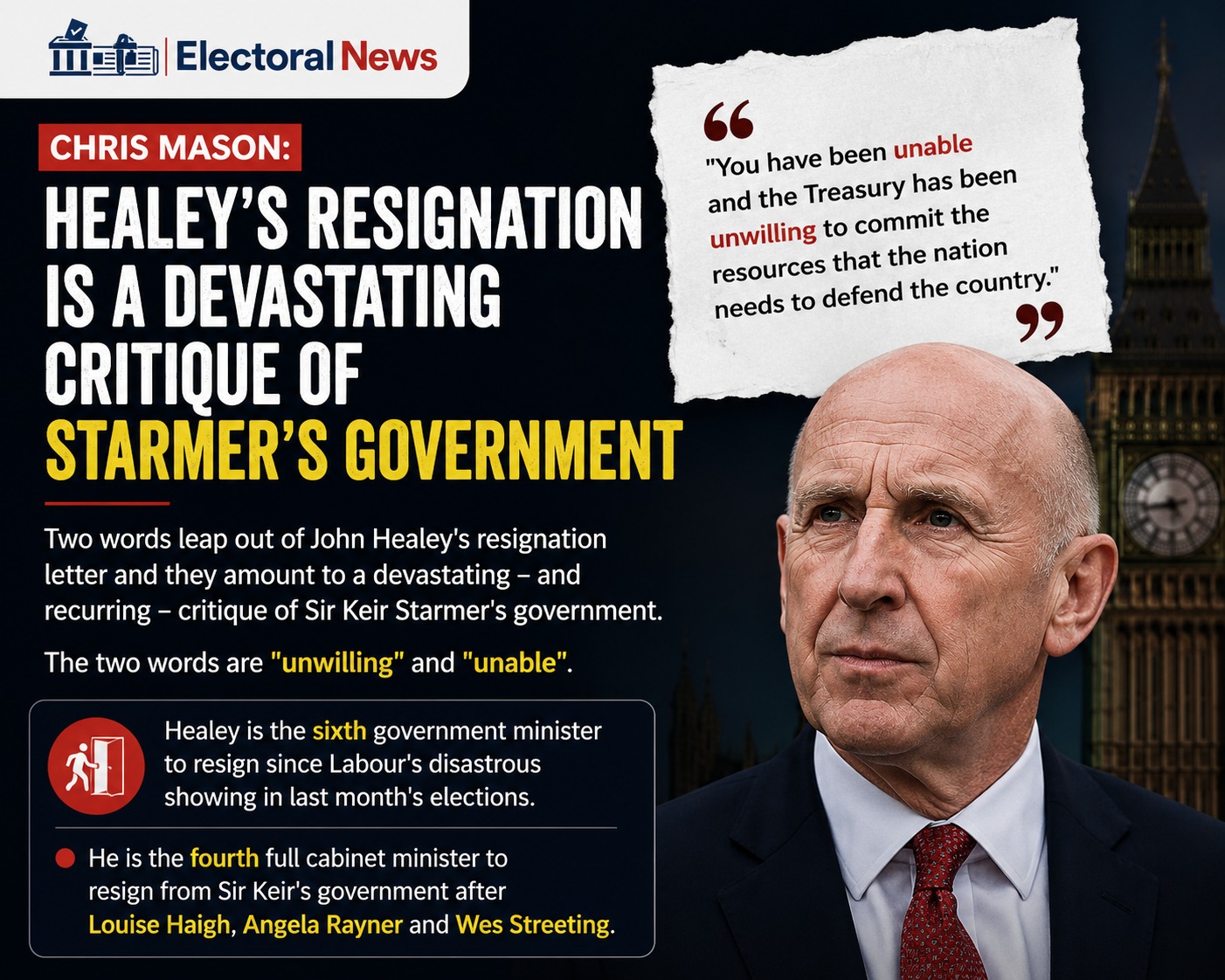
UK Prime Minister Keir Starmer has announced his resignation as Prime Minister and Leader of the Labour Party, triggering a leadership process to choose his successor before Parliament returns in September.
UK Prime Minister Sir Keir Starmer has announced that he will resign as Prime Minister and Leader of the Labour Party, setting off a major political transition in Britain less than two years after Labour returned to power with a landslide victory. The announcement marks a dramatic moment in UK politics and opens the door for a new Labour leader to take office by September. Starmer is expected to remain in office until his successor is chosen and formally appointed. Starmer’s resignation follows weeks of mounting pressure from within the Labour Party, poor election results and criticism over the direction of his government. His leadership had come under increasing scrutiny after Labour’s political momentum weakened and internal voices began calling for a reset. The resignation now triggers a formal leadership process within the Labour Party. Once the party chooses a new leader, the outgoing Prime Minister will formally resign, and the King will invite the new Labour leader to form a government.The development means Britain is preparing for another change at the top of government. The next Labour leader will inherit major challenges, including economic pressure, public service reform, defence spending, immigration, energy security and foreign policy tensions. Starmer came to power in 2024 after leading Labour to a major general election victory. His campaign promised stability after years of Conservative government, political turbulence and public frustration. However, his time in office soon became marked by criticism over policy direction, economic delivery and the government’s ability to connect with voters. The pressure intensified after Labour’s poor showing in recent elections. Party figures reportedly became increasingly concerned that Starmer was no longer the right leader to take Labour into the next general election. A major factor in the leadership debate has been the rise of Andy Burnham, who returned to Westminster and quickly became the focus of speculation about Labour’s future direction. Burnham is widely seen as a strong contender to succeed Starmer, though the formal process will determine the final outcome.
Starmer’s resignation also reflects deeper political challenges facing Labour. After winning a huge majority, the party was expected to deliver quick and visible change. Instead, critics argued that the government struggled to define a clear long-term vision. The resignation has therefore become more than a leadership change. It is being viewed as a judgment on the early direction of the Labour government and a signal that the party wants to reposition itself before the next national election. The next leader will need to move quickly. A new Prime Minister will have to appoint or reshuffle the Cabinet, review key policies, rebuild party unity and reassure the public that the government remains stable. The leadership timetable is important because Parliament is expected to return in September. Labour will want a new leader in place before then so that the government can begin the new parliamentary session with a clear direction.
The transition also comes at a sensitive international moment. Britain is dealing with global security concerns, war-related pressures, energy instability and major diplomatic challenges. The next Prime Minister will immediately face questions about defence commitments, relations with the United States and Europe, and Britain’s role in global affairs. Domestically, the new leader will need to address public concerns over the economy, cost of living, housing, healthcare, migration and public services. These issues are likely to define the next phase of the Labour government. Opposition parties are expected to use Starmer’s resignation to argue that Labour has lost direction. However, Labour supporters may frame the leadership change as an opportunity to reset the government and reconnect with voters. For Starmer, the resignation brings a short but significant premiership to a close. He successfully took Labour from opposition to power, but his government struggled to maintain the confidence and enthusiasm that brought it into office.
The coming weeks will now be crucial. Labour must choose a successor, avoid internal division and show that it can manage a smooth transfer of power. The central question is whether the next Labour leader can rebuild political momentum before the next general election.
Key Highlights
- Keir Starmer has announced his resignation as UK Prime Minister.
- He will also step down as Leader of the Labour Party.
- A new Labour leader is expected to be chosen before Parliament returns in September.
- Starmer will remain Prime Minister until a successor is formally appointed.
- The resignation follows poor election results and internal Labour pressure.
- Andy Burnham is widely seen as a major figure in the succession race.
- The next Prime Minister will inherit major economic, defence and public-service challenges.